These days, I collaborate with three institutions in Portugal and Mexico. I am affiliated with ITQB NOVA in Oeiras, where I am a researcher in Adriano O. Henriques' Bacterial Development Lab and an integrated member of the MOSTMICRO-ITQB Research Unit. I am also an invited professor at the Instituto de Biotecnología of the Universidad Nacional Autónoma de México, where I have been teaching Systems Biology to graduate students in the Biochemical Sciences, Biomedical Sciences, and Biological Sciences programmes. As a kind of return to my alma mater, I am collaborating with the Instituto de Ciências Biomédicas Abel Salazar at the University of Porto, where, together with my colleague Manuel Vilanova, I proposed an innovative Master’s in Integrative and Systems Immunology. I also serve as a consultant for Digital Health in the Integrated Master’s in Medicine.
You can always find me on this website, and occasionally, on the social networks.
 jorgecarneiro.eu


Places where I have been
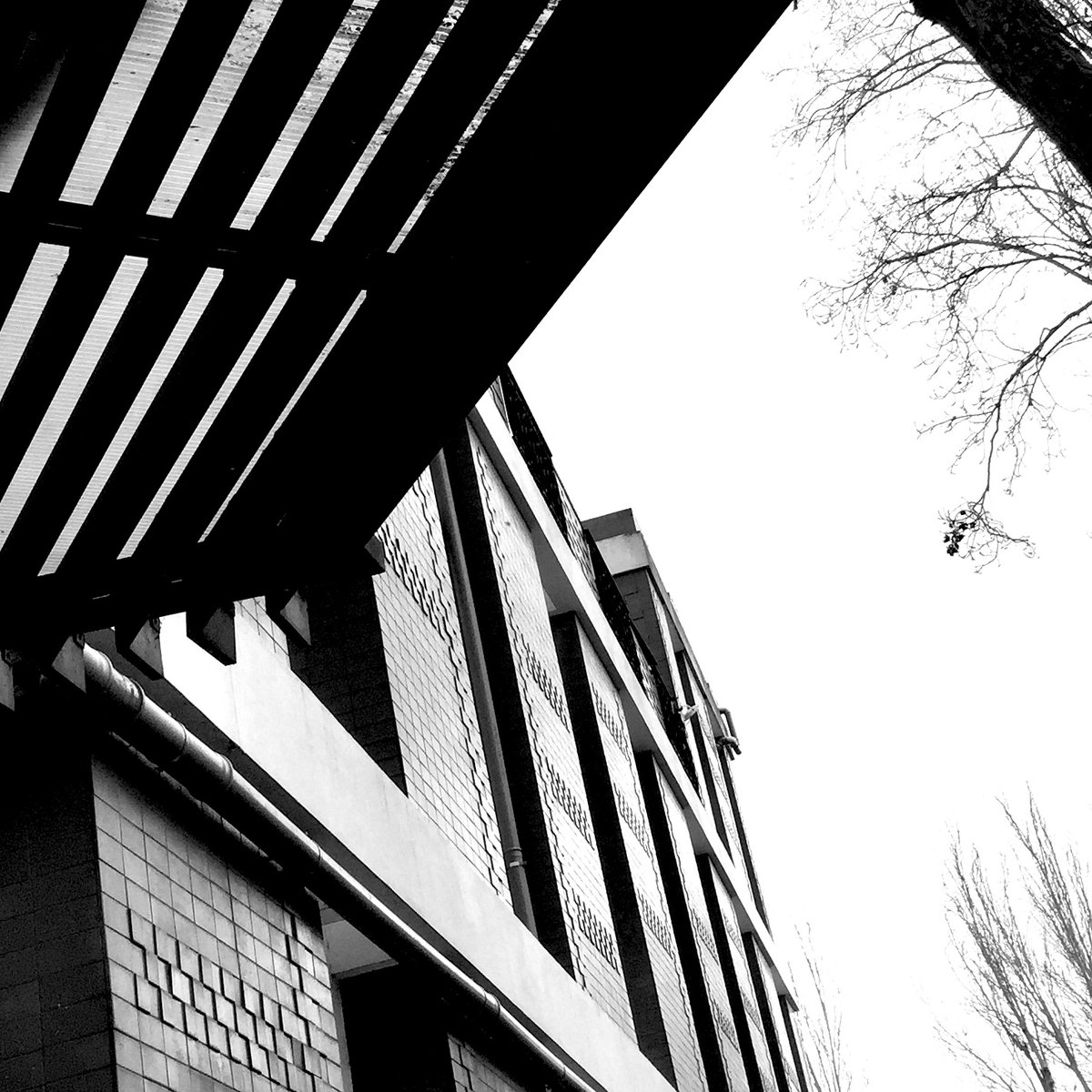
 From 1998 to 2023, I was based at the Instituto Gulbenkian de Ciência (IGC) in Oeiras, where I led a research group in mathematical modelling of biological systems. During this time, I was also deeply involved in fostering scientific education and creating supportive research environments—coordinating theoretical and computational efforts, developing and directing PhD programmes, and serving as Deputy Director for Science.
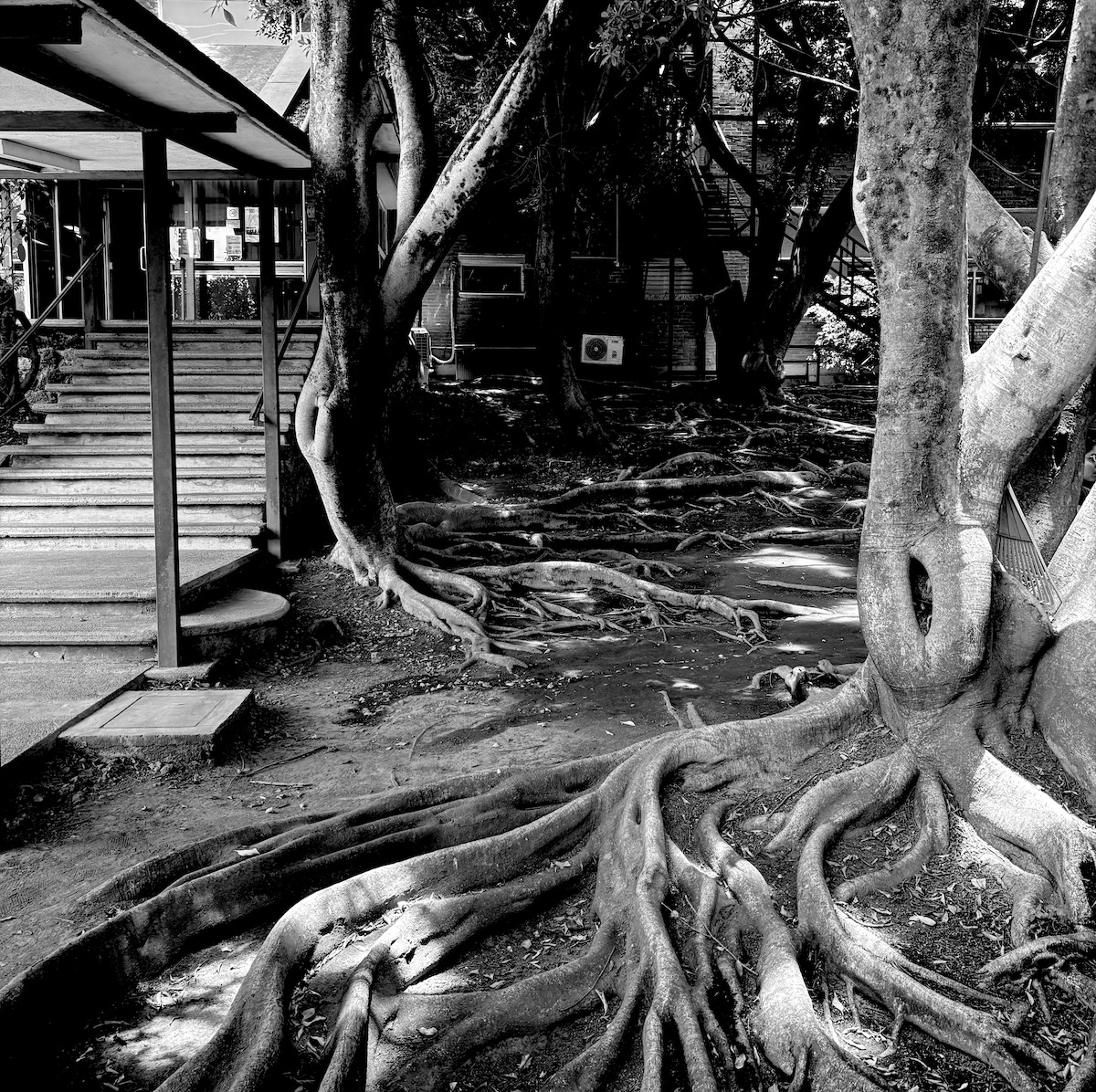 In 2010, I took a sabbatical at the Instituto de Biotecnología at UNAM in Cuernavaca. I continue to visit regularly to collaborate with researchers, particularly Alberto Darszon, and to teach advanced courses in statistics, image analysis, and systems biology to graduate students.
 One of my first PhD students at IGC, Kalet Leon, also worked at the Centro de Inmunología Molecular (CIM) in Havana. Between 1998 and 2002, I visited the CIM frequently. My collaboration with its researchers shaped my understanding of cancer (immuno)biology and, more broadly, complex multicellular organisms. With its combined focus on basic research and industrial GMP biological production, the CIM also helped me grasp the true meaning of translational science beyond the buzzwords.
 From 1997 to 1998, I did a postdoc in the Bioinformatics and Theoretical Biology Group at Utrecht University, working closely with Rob de Boer in a theoretical immunology subgroup within Paulien Hogeweg’s larger team. Though brief, my time there was pivotal in shaping my approach to theoretical and mathematical biology.
 I conducted my PhD research on immune network modelling at the Unité d’Immunobiologie of the Institut Pasteur in Paris, under the supervision of the late John Stewart. Doing theoretical research in an experimental lab helped me ground my models and develop skills in experimental design and data analysis. Pasteur was a distinctly international institute, where a rich scientific and cultural heritage blended with forward looking research. I took full advantage of the newly inaugurated library, reading everything from 19th-century documents to the latest scientific journals, along with a wide range of other publications and books in between.
 I studied Biochemistry at the University of Porto in the 1980s, with classes divided between the Chemistry Department of the Faculty of Sciences (FCUP) and ICBAS. I worked in the Theoretical Chemistry Group at FCUP as a code-developer apprentice, discovering scientific computation. For my final research project, I joined the Laboratory of Immunology at ICBAS, gaining experience in wet lab and animal research. Most importantly, I discovered that mathematical modelling of the immune system was an active area of research—a thing that people did.